Recycling and Sustainability for Carpet Cleaners SE10
 At Carpet Cleaners SE10, sustainability is not treated as an optional extra; it is built into how we plan, clean, transport, and dispose of waste. Our carpet cleaning and recycling approach is shaped by local responsibility, with a focus on reducing landfill use, improving material recovery, and supporting the wider circular economy across the area. We work to keep service operations efficient, with careful product selection, low-waste processes, and a commitment to cleaner outcomes for homes and businesses.
Our main recycling percentage target is to divert at least 85% of suitable waste streams from landfill by sorting, recovering, and routing materials to approved facilities wherever possible. That target includes packaging from cleaning supplies, worn tools, paper waste, and salvageable fibres from end-of-life textiles where appropriate. We monitor progress regularly, looking at how each part of the process can be improved. For a SE10 carpet cleaning service, this means sustainability is measured in practical terms, not just stated as an aim.
We also recognise that the local area sits within borough-led systems that place a strong emphasis on waste separation. In practice, that means different materials are handled with care, with dry mixed recycling, food waste, garden waste, and residual rubbish kept apart wherever the local collection framework allows. This boroughs approach to waste separation supports better recovery rates and reduces contamination, which is essential when aiming for high-quality recycling results. Our recycling-focused carpet cleaners in SE10 align their processes with that same principle of sorting at source.
Local Facilities, Transfer Routes, and Responsible Disposal
 When items cannot be reused, we prioritise local transfer stations and authorised waste handling points rather than long-distance disposal routes. Using nearby transfer stations helps reduce travel emissions and keeps material movement more efficient. It also supports better oversight of what is being sent for recovery, reuse, or specialist processing. In a busy urban setting, choosing the right facility can make a noticeable difference to the environmental impact of carpet cleaning waste management.
Where practical, we direct suitable non-hazardous waste to local transfer stations that support sorting and onward recycling. These sites are valuable because they separate recoverable materials from mixed waste before final treatment. For items such as cardboard, plastic wrap, disposable coverings, and certain maintenance materials, this step increases the chance of recycling rather than disposal. Our team makes sure that the routing is sensible, efficient, and compliant with local rules.
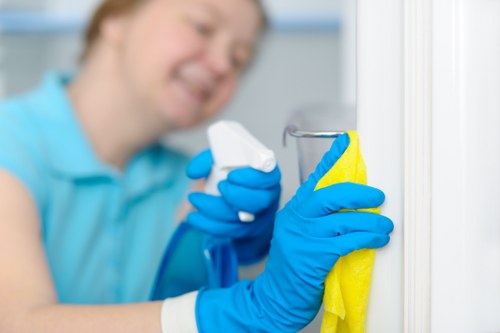 We also pay attention to the small but important details of service waste. For example, reusable cloths are washed and returned to service, packaging is flattened before collection, and any leftover product containers are checked for the correct disposal route. These habits may seem simple, but they build a stronger sustainability profile over time. In a Carpet Cleaners SE10 operation, these decisions are part of everyday working practice.
Partnerships, Reuse, and Community Value
Our sustainability work extends beyond recycling into reuse and community support. We maintain partnerships with charities that can make use of donated furnishings, textiles, and other suitable items when they are still in reusable condition. Rather than treating everything as waste, we try to identify opportunities for a second life. This includes working with organisations that support households in need, community projects, and local reuse networks that value practical goods.
Through these partnerships with charities, carpet cleaning SE10 services can contribute to a broader social purpose. Items that are not suitable for continued use in one setting may still be useful in another, provided they meet the right standards. Reuse is often the most sustainable option because it avoids the energy use associated with recycling or reprocessing. We treat donation routes carefully, ensuring that items are assessed fairly and directed responsibly.
In addition, we look for ways to reduce the amount of material entering the waste stream in the first place. That includes using durable equipment, choosing concentrated products where appropriate, and planning jobs to avoid unnecessary packaging and transport. These efforts support our broader aim of providing sustainable carpet cleaners in SE10 that contribute positively to the local environment while maintaining effective service quality.
Low-Carbon Transport and Lower-Impact Operations
 Transport is a major part of our environmental planning, which is why we use low-carbon vans in our day-to-day work wherever possible. These vehicles are selected to reduce emissions through improved fuel efficiency, cleaner engine technology, and smarter route planning. By combining scheduled jobs into efficient routes, we cut down on unnecessary mileage and lower the carbon footprint associated with each visit.
Our van policy is closely linked to our wider sustainability goals. Less fuel use means fewer emissions, but it also supports quieter, cleaner urban operations. In dense areas such as SE10 and the surrounding boroughs, that matters. Traffic pressure, parking constraints, and short travel distances all influence how cleaning teams operate, so choosing the right vehicle is a practical sustainability decision as well as an environmental one.
We also pay attention to how equipment is loaded and maintained. Keeping machines serviced, tyres correctly inflated, and routes planned in advance helps limit waste and improve efficiency. As a result, our carpet cleaning and sustainability approach includes both the obvious actions, such as waste reduction, and the less visible ones, such as route optimisation and vehicle care.
Recycling Activities Relevant to the Local Area
 Because the local boroughs place a strong emphasis on separating different waste streams, our recycling activity is designed to fit that framework. We sort recyclable packaging, paper-based materials, and eligible plastics before they leave the site, and we make sure contaminated items are handled separately. This is especially important in mixed-use urban areas where good separation helps protect the quality of recovered materials. Where facilities accept it, we also support the recovery of textiles, underlay offcuts, and other service-related materials that can be processed further.
We take a careful, practical view of what can be recycled, reused, or reduced. That means not everything is forced into one system; instead, each material is assessed for the most responsible route. This approach is particularly useful in a community setting where borough collection rules, transfer station access, and charity reuse opportunities all work together. A thoughtful Carpet Cleaners SE10 recycling strategy should reflect that local reality rather than ignore it.
Ultimately, our sustainability page is about action. From an 85% recycling target to local transfer stations, charity partnerships, and low-carbon vans, each part of the process supports a cleaner and more resource-conscious service. We aim to keep improving, stay aligned with local waste separation systems, and make sure that our work has a lighter impact on the environment. For Carpet Cleaners SE10, sustainability is not a slogan; it is part of how the service is delivered every day.