Health and Safety Policy for Carpet Cleaners SE10
 This health and safety policy sets out the standards expected from carpet cleaners SE10 and supports safe, consistent work across every job. It is designed to protect clients, employees, visitors, and property while ensuring that carpet cleaning services are delivered responsibly. The policy applies to all cleaning activities, including pre-inspection, preparation, stain treatment, machine use, drying, and post-job checks. All staff are expected to follow this policy and help maintain a workplace culture built on prevention, awareness, and professionalism.
Every carpet cleaning company must treat safety as a core part of service quality. That means identifying hazards before work begins, using suitable equipment, and taking reasonable steps to reduce risk throughout the job. Common risks include slips, trips, chemical exposure, electrical hazards, manual handling injuries, and contact with contaminated materials. By following clear procedures, carpet cleaners can deliver excellent results while keeping operations safe and controlled.
Managers and team leaders are responsible for making sure safe systems of work are understood and followed. This includes training staff, checking equipment, and reviewing incidents so improvements can be made. Carpet cleaning SE10 work should never be rushed if it creates unnecessary danger. A calm, organised approach helps prevent mistakes and supports better outcomes for everyone involved.
 Before any task starts, the work area must be assessed for hazards. Floors should be checked for loose objects, trailing cables, wet surfaces, uneven footing, and fragile items that could be damaged or cause injury. If furniture needs to be moved, the weight and shape of each item should be considered so that lifting can be done safely. Staff should use appropriate equipment and avoid awkward twisting, overreaching, or carrying loads that are too heavy.
Electrical safety is especially important when using extraction machines, vacuums, or extension leads. All equipment must be visually inspected before use and removed from service if it shows signs of wear, damage, or malfunction. Cables should be positioned to reduce trip hazards, and sockets should not be overloaded. Professional carpet cleaners SE10 should always keep water away from electrical components and ensure that machines are operated in accordance with manufacturer instructions.
Cleaning solutions and stain treatments must be handled carefully. Staff should read product labels, follow dilution instructions, and wear suitable protective equipment where required. Good ventilation should be maintained when using products that may produce strong odours or fumes. Carpet cleaning safety also depends on correct storage: chemicals should be kept in clearly labelled containers, away from food, heat sources, and unauthorised access.
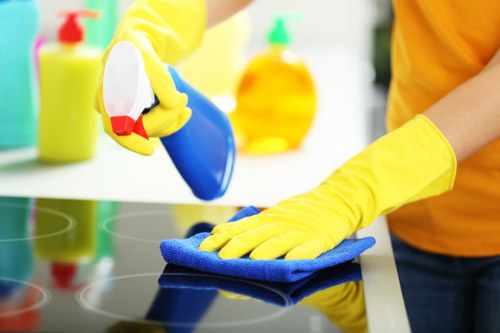 Personal protective equipment is an important control measure, but it should complement, not replace, safe working practices. Depending on the job, workers may need gloves, non-slip footwear, eye protection, or disposable coverings. PPE should be clean, suitable for the task, and replaced when damaged or worn. Staff should understand that equipment is only effective when used properly and consistently.
Manual handling procedures must be followed whenever equipment, furniture, or cleaning materials are moved. Workers should plan the lift, keep the load close to the body, and ask for assistance when needed. If an item appears too heavy or awkward, a safer method should be chosen. Carpet cleaner safety procedures should also include clear communication between team members so that lifting, positioning, and movement happen smoothly.
Slip and trip prevention is essential during carpet cleaning operations. Wet carpets, damp flooring, and hoses can create hidden dangers if left unmanaged. Warning signs should be used where necessary, and access routes should be kept clear. Drying times should be explained to occupants so they can avoid freshly treated areas. Carpet cleaners must also monitor their own movement and avoid stepping onto unstable or overly wet surfaces.
Safe working practices also include respect for the client’s property. Staff should protect surrounding surfaces, move items carefully, and take extra care around delicate materials, electrical goods, and personal belongings. Any damage, spill, or concern should be reported immediately and recorded accurately. A reliable carpet cleaning service depends on trust, consistency, and attention to detail as much as on technical skill.
Training and supervision are central to this policy. New workers should receive instruction on safe equipment use, chemical handling, emergency procedures, and hazard reporting. Refresher training should be provided when methods change or when risks are identified during review. Supervisors should observe work practices and correct unsafe habits before they lead to harm. Ongoing learning helps ensure that carpet cleaners SE10 maintain high standards in both safety and service delivery.
Emergency procedures must be understood by everyone on site. Staff should know how to respond to spills, accidental exposure, electrical faults, and injuries. First aid supplies should be available, and accidents should be reported and documented promptly. After any incident, the cause should be reviewed so that practical improvements can be made. A strong health and safety policy is not only about compliance; it is about reducing preventable harm and protecting people.
 Regular inspection and maintenance help keep equipment in safe condition. Machines should be cleaned, checked, and stored properly after each use. Any defect discovered during operation should result in immediate stoppage until the item is repaired or replaced. Preventive maintenance reduces breakdowns and helps maintain reliable performance. For carpet cleaning professionals, safe equipment is a foundation of efficient work.
Housekeeping standards must remain high throughout every job. Waste materials should be disposed of responsibly, tools should not be left in walkways, and work areas should be left tidy once the task is complete. Good housekeeping lowers the chance of accidents and gives clients confidence in the service provided. In practice, this means every carpet cleaner should treat cleanliness and order as part of safety, not as an optional extra.
 This policy will be reviewed regularly to ensure it remains effective, current, and relevant to the changing needs of the business. Reviews may be carried out after incidents, equipment changes, or the introduction of new products and methods. Where improvements are identified, they should be implemented without delay. By following this policy, carpet cleaners SE10 can provide a safer service, reduce risks, and maintain a professional standard that benefits staff, clients, and the wider working environment.