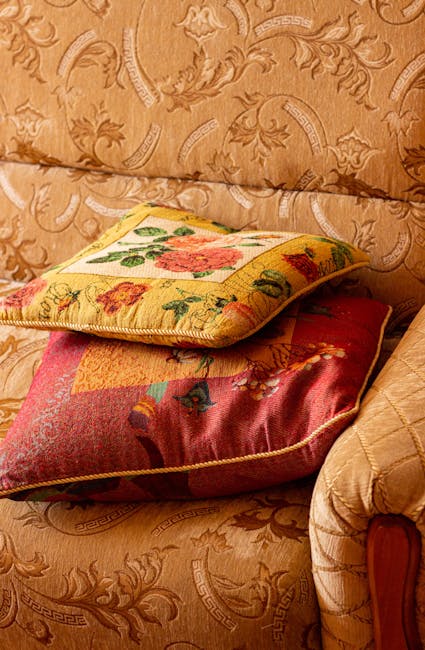
Upholstery cleaning near Cutty Sark Greenwich SE10: a practical local guide for cleaner, longer-lasting furniture
If your sofa is looking a bit tired, your armchair has picked up a mystery mark, or the dining chairs near the window have gone dull from everyday use, you are not alone. Upholstery cleaning near Cutty Sark Greenwich SE10 is one of those services people tend to put off until the fabric starts to look obviously worn. Then, suddenly, it matters a lot.
This guide explains what upholstery cleaning actually involves, why it matters in a busy Greenwich home or workspace, how the process works, and what to look for before booking. We will also cover common mistakes, realistic expectations, and the sort of practical details that save time and hassle. No fluff. Just the useful stuff, plainly put.
Whether you are dealing with pet hair, coffee marks, food spills, dust build-up, or just years of general living, a good clean can make a surprising difference. Let's face it, upholstery takes more abuse than most people realise.
Table of Contents
- Why Upholstery cleaning near Cutty Sark Greenwich SE10 matters
- How Upholstery cleaning near Cutty Sark Greenwich SE10 works
- Key Benefits and Practical Advantages
- Who This Is For and When It Makes Sense
- Step-by-Step Guidance
- Expert Tips for Better Results
- Common Mistakes to Avoid
- Tools, Resources and Recommendations
- Law, Compliance, Standards, or Best Practice
- Options, Methods, or Comparison Table
- Case Study or Real-World Example
- Practical Checklist
- Conclusion
- Frequently Asked Questions
Why Upholstery cleaning near Cutty Sark Greenwich SE10 matters
Upholstered furniture quietly collects more than crumbs. It traps dust, skin flakes, pet dander, cooking residue, pollen, and everyday grime. In a local area like Cutty Sark and the wider SE10 neighbourhood, where homes, flats, and short-stay lets can see a lot of footfall, fabric furniture can start to look flat and feel less fresh sooner than expected.
The real issue is not just appearance. Dirt works its way into fibres and can make fabric feel rough, hold odours, and wear unevenly. A sofa that looks "a bit grubby" may actually be carrying embedded debris that regular vacuuming only partly removes.
People often assume upholstery cleaning is only for visible stains. Not quite. In practice, it helps with hygiene, texture, colour recovery, and the overall feel of a room. A clean sofa can make the whole space seem brighter. That sounds small, but in a compact London living room, it matters more than you might think.
There is also a practical value angle. Replacing a quality sofa, dining chairs, or office seating can be expensive. Cleaning can extend usable life, especially if the fabric is otherwise in good condition. To be fair, that is often the real reason people book it: they want to make a decent piece of furniture last.
Expert summary: If your upholstery is structurally sound but looks tired, smells stale, or has localised staining, professional cleaning is often the most cost-effective first step before considering repair or replacement.
If you are also comparing providers or checking what sits behind the service, it can help to review the company's about us page and practical service information such as pricing and quotes. Those pages usually tell you a lot about how a business works, even before you pick up the phone.
How Upholstery cleaning near Cutty Sark Greenwich SE10 works
The exact process depends on the fabric, the condition of the furniture, and the cleaning method used. Still, most proper upholstery cleaning jobs follow a similar flow.
1. Initial inspection
The cleaner looks at the upholstery type, fabric label, construction, stains, wear patterns, and any areas that need special care. This is not a rushed glance. Good inspection matters because different fibres behave differently. Wool blends, synthetics, cotton, velvet, and performance fabrics all need slightly different handling.
2. Pre-testing and identification
A sensible cleaner will test a small area before applying any solution. Why? Because colour-fastness, water sensitivity, and cleaning chemistry all matter. A strong-looking fabric can still react badly if it is treated like something else. That is where experience pays off.
3. Dry soil removal
Loose dirt is usually removed first with careful vacuuming and agitation tools. This step is easy to underestimate. If grit stays in the fabric, later cleaning can turn that loosened dirt into muddy residue. Nobody wants that. No one.
4. Spot treatment
Specific marks are treated based on their type: food, drink, oils, ink, body oils, pet accidents, or general soiling. This is where a lot of DIY efforts go wrong, because people treat all stains as if they were one thing. They are not.
5. Main cleaning stage
Depending on the material, the cleaner may use hot water extraction, low-moisture cleaning, foam, or specialist hand methods. The goal is to remove soil while protecting the fabric's texture and structure. A sofa is not a hard floor; it needs a much lighter touch.
6. Rinse and residue reduction
If a wet method is used, the fabric may be rinsed or extracted to reduce leftover cleaning residue. That matters because residue can attract dirt again faster than you expect. A clean that looks good on day one but resoils quickly is not much of a win.
7. Drying and final grooming
The upholstery is left to dry as evenly as possible, often with airflow support. Fibres may be groomed to restore appearance. At this point, you should see fresher colour, improved texture, and fewer obvious marks, although older stains may only fade rather than vanish completely.
For households that care about safety, damage prevention, or how a provider handles the job, it is worth reading the business's insurance and safety information and, if needed, the health and safety policy. That tells you something about the standards behind the service, not just the sales pitch.
Key Benefits and Practical Advantages
Good upholstery cleaning is not just about a nicer-looking sofa. There are several real-world benefits, and they tend to show up quickly in daily use.
- Improved appearance: Fabrics often look brighter, less patchy, and more even in colour.
- Reduced odours: Stale smells from pets, cooking, or everyday use can be reduced noticeably.
- Better hygiene: Embedded dust and debris are removed more effectively than with regular vacuuming alone.
- Longer fabric life: Removing grit and residue can slow premature wear.
- More comfortable feel: Clean fabric tends to feel softer and less tacky.
- Better room atmosphere: A clean sofa changes how a living room feels, especially in smaller flats.
There is also a psychological benefit, oddly enough. A fresh sofa can make a room feel more "sorted" even if nothing else has changed. You sit down, the fabric smells cleaner, the arms no longer look grey at the edges, and suddenly the room feels looked after. Small thing, big effect.
For landlords, letting agents, and home movers in SE10, this can be especially useful between tenancies or before inspections. For families, it is often about making the space more pleasant and reducing the feeling that the furniture is always slightly dusty. For home workers, it can mean a cleaner backdrop and a more comfortable chair for long days at the desk. Truth be told, office chairs can be surprisingly grim.
Who This Is For and When It Makes Sense
Upholstery cleaning near Cutty Sark Greenwich SE10 makes sense for a wide range of people, but the timing matters.
Homeowners and tenants
If your sofa, loveseat, footstool, or dining chairs have visible marks or just look tired, a clean can be a smart first move. Tenants often book cleaning before moving out; homeowners tend to book it when the furniture starts looking older than it really is.
Families with children
Busy homes see spills. That is just life. Juice, chocolate, biscuits, sticky fingers, and the occasional mysterious mark are part of the package. A professional clean can reset things after a long stretch of everyday wear.
Pet owners
Pets are lovely. They are also excellent at depositing hair, oils, and odours into soft furnishings. If a dog has claimed the corner of the sofa, or a cat has made one armrest their personal spot, cleaning can be the difference between "lived-in" and "needs sorting".
Hospitality, rental, and office settings
Waiting areas, meeting rooms, serviced apartments, and small hospitality spaces all depend on furniture that looks cared for. First impressions matter, and upholstery is one of the first things people notice without consciously noticing it.
When it makes less sense
If the fabric is torn, badly sun-damaged, or the cushioning has failed, cleaning alone will not solve the underlying issue. In those cases, it may still improve appearance, but expectations should stay realistic. Sometimes a chair needs repair before it needs a wash. Sometimes both.
Step-by-Step Guidance
If you are booking upholstery cleaning for the first time, a clear process helps. Here is the practical version.
- Check the fabric type. Look for care labels if available. They help determine whether the upholstery can tolerate water-based cleaning or needs a gentler method.
- Identify the main problems. Note visible stains, odours, pet damage, shading, and any areas that get heavy use, such as seat cushions and armrests.
- Take a few photos. Useful for comparison later and handy if you are asking for a quote.
- Ask about the method. Not every sofa needs the same treatment. A good provider should explain why they recommend a particular approach.
- Clarify access and drying time. In flats around Cutty Sark, access, parking, staircases, and ventilation can affect the job.
- Move small items. Blankets, cushions, ornaments, and nearby side tables can make setup easier.
- Do a quick vacuum yourself. Not essential, but it helps remove loose debris before the cleaner arrives.
- After cleaning, allow proper drying. Avoid sitting on the upholstery too soon, especially if it has been wet cleaned. That temptation is real, but best resisted.
A small but useful tip: ask how long the fabric is expected to take to dry in your specific room. Drying time can vary with fabric thickness, indoor temperature, and ventilation. On a damp Greenwich afternoon, things can take longer than people expect.
Expert Tips for Better Results
These are the kinds of things that genuinely improve the outcome, and they are often missed by people booking a clean for the first time.
Choose the right method for the fabric
Hot water extraction is effective for many synthetic upholstery types, but it is not ideal for every material. Delicate fabrics may need a low-moisture or specialist approach. A good cleaner should not treat every sofa like a clone of the last one.
Deal with stains early
The sooner a spill is addressed, the better the chance of improvement. Old stains often bond more tightly to the fibres. Even so, older stains can still fade significantly, so do not write them off too quickly.
Think about ventilation
Open windows where practical and safe, and allow air to circulate. Even a little airflow helps. If you can create a gentle cross-breeze without causing chaos in the flat, do it.
Rotate cushions regularly
This one is simple but effective. Rotating seat cushions reduces uneven wear and helps the upholstery age more evenly. It also prevents the same dip from becoming permanently obvious.
Vacuum weekly, not occasionally
A quick vacuum is one of the best forms of maintenance. It stops dry soil from building up, which makes professional cleaning more effective later. Boring advice, yes, but it works.
Be cautious with home remedies
White vinegar, baking soda, washing-up liquid, and household sprays can all make matters worse if used incorrectly. Sometimes they leave rings, sometimes they set a stain, and sometimes they just make the area smell like a salad bar. Not ideal.
If you want a provider who is upfront about expectations and payment, review the payment and security page and the business's terms and conditions. That kind of clarity is helpful, especially when you are comparing options.
Common Mistakes to Avoid
People usually do not damage upholstery on purpose. It happens through haste, guesswork, or a bit of overconfidence. Happens to the best of us.
- Using too much water: Over-wetting can leave marks, long drying times, and in some cases deeper problems below the surface.
- Scrubbing aggressively: This can distort fibres and spread stains wider.
- Testing nowhere first: Even if a product seems mild, a small pre-test matters.
- Ignoring the fabric label: The cleaning code is there for a reason.
- Waiting too long: Old spills are harder to remove and may become fixed into the fabric.
- Choosing based on price alone: Cheapest is not always best, especially when the fabric is delicate or valuable.
- Expecting perfection from every stain: Some marks improve dramatically; others fade but do not disappear entirely.
A common misunderstanding is that all stains mean the clean "failed". Not really. The important question is whether the furniture looks and feels materially better without suffering damage. That is the real benchmark.
Tools, Resources and Recommendations
You do not need a van full of equipment to understand what good upholstery cleaning involves, but it helps to know the main tools and why they matter.
| Method or tool | Best for | Strengths | Watch-outs |
|---|---|---|---|
| Vacuum with upholstery attachment | Routine maintenance and loose debris | Removes dry soil and hair before deeper cleaning | Will not shift embedded stains |
| Hot water extraction | Many synthetic sofas and chairs | Deep cleaning and residue removal | May be unsuitable for delicate fabrics or slow drying spaces |
| Low-moisture cleaning | Delicate or water-sensitive fabrics | Faster drying, gentler approach | May need more detailed pre-treatment |
| Spot treatment tools | Localised stains | Targets specific marks more carefully | Requires judgement to avoid spreading or setting stains |
| Air movers or good ventilation | Post-clean drying | Helps reduce drying time and musty smells | Should be used sensibly in occupied spaces |
If you are comparing providers, a useful starting point is their service information, customer policies, and how transparent they are about what they do. A trustworthy business is usually comfortable explaining the process in plain English, not hiding it behind jargon.
For example, a clear contact us page should make it easy to ask questions, while an accessible website and policies such as the accessibility statement and privacy policy show that the company has thought about the customer experience beyond the job itself.
Law, Compliance, Standards, or Best Practice
For upholstery cleaning, the most relevant guidance is usually practical best practice rather than a long list of formal rules. Still, there are sensible standards a reputable cleaner should follow.
First, they should use methods appropriate to the fabric and the setting. That means inspecting the material, testing when needed, and avoiding unnecessary risk. Second, they should work in a way that is safe for occupants, pets, and surfaces around the furniture. Third, they should be clear about what the service includes, what it does not include, and how any issues are handled.
In the UK, customers often expect basic business protections such as clear terms, fair handling of complaints, and secure payment practices. A provider with published support pages like complaints procedure and payment and security is giving you a better sense of how they handle real-world issues, not just the nice bits.
Environmental awareness is also increasingly relevant. Water use, product selection, waste handling, and disposal of dirty materials all matter. If sustainability is important to you, it is reasonable to ask how a provider approaches it and whether they have a visible commitment such as a recycling and sustainability statement.
And if something does go wrong, professional service standards should include a sensible route for resolving it. That is simply good practice. No drama, just accountability.
Options, Methods, or Comparison Table
Different upholstery cleaning methods suit different situations. Here is a plain-English comparison to help you think it through.
| Method | Best for | Pros | Cons |
|---|---|---|---|
| Hot water extraction | Durable synthetic upholstery | Deep soil removal, strong refresh effect | Longer drying, not ideal for delicate fabrics |
| Low-moisture clean | More delicate fabrics or time-sensitive situations | Quicker drying, less saturation | May need more follow-up on stubborn grime |
| Foam or encapsulation-style cleaning | Light to moderate soiling | Useful for maintenance, minimal water | May not match wet extraction for deep contamination |
| Hand spot treatment | Small localised marks | Targeted and controlled | Not a full solution for overall dullness |
The right choice depends on your furniture, not the other way round. A thick family sofa with heavy use is a different job from a lightly used accent chair in a spare room. Same service category, completely different cleaning logic.
If you are still deciding, a quick quote request through the provider's pricing and quotes page can help you compare likely cost against the expected outcome. Not every job needs an in-depth survey, but a realistic description does help.
Case Study or Real-World Example
Here is a realistic example drawn from the kind of work people commonly need in SE10.
A family living near Cutty Sark had a three-seat sofa and two dining chairs that had slowly lost their colour. Nothing dramatic. No disaster spill. Just day-after-day use, a bit of food grease, a few small marks from a child's snacks, and the usual dust that settles on fabric over time. The sofa still looked fine from across the room, but close up it felt dull and slightly tired.
After inspection, the cleaner identified the fabric type, tested a discreet patch, and chose a method suitable for the material. The dining chairs responded well, with the arm and seat areas showing the biggest difference. The sofa improved too, although a faint shadow from an old drink mark remained visible under certain light. That is normal. Not every stain disappears completely, and pretending otherwise would be a bit cheeky.
The family's main feedback was not just that the furniture looked cleaner. They noticed the room smelled fresher, the cushions felt less sticky, and they stopped feeling vaguely embarrassed about guests sitting down. That last part is often what tips people into booking a clean in the first place. It is not about perfection. It is about getting back to comfortable.
Practical Checklist
Use this quick checklist before and after booking upholstery cleaning near Cutty Sark Greenwich SE10.
- Identify the furniture pieces that need cleaning.
- Note the main issues: stains, smells, pet hair, dullness, or general wear.
- Check for fabric labels or care instructions if available.
- Take photos for reference.
- Ask what cleaning method is recommended and why.
- Confirm access details, parking, lift use, and room layout if relevant.
- Ask about drying time and when the furniture can be used again.
- Move fragile items out of the way beforehand.
- Vacuum the furniture lightly before the appointment if you can.
- Follow aftercare advice once the clean is complete.
Quick reminder: if a provider is hard to contact or vague about process, that is useful information in itself.
Conclusion
Upholstery cleaning near Cutty Sark Greenwich SE10 is one of those services that quietly improves daily life. It freshens the room, helps furniture last longer, and removes the kind of built-up grime that regular vacuuming never quite gets to. More importantly, it gives you a practical way to restore comfort without rushing into replacement.
The key is to match the method to the fabric, ask sensible questions, and set expectations properly. A reputable cleaner should explain the process clearly, handle your furniture with care, and be transparent about what can realistically be achieved. Simple as that, really.
If you are comparing options, take a moment to review company information, pricing, safety, and policies before you book. That little bit of checking can save a lot of stress later. And once the work is done, you will notice the difference every time you sit down.
Get a free quote today and see how much you can save.
Sometimes the most satisfying home improvements are the quiet ones. Fresh fabric, cleaner air, one less thing to worry about. Not bad for a sofa and a bit of care.
Frequently Asked Questions
How often should upholstery be professionally cleaned?
It depends on use. In a busy family home, every 12 to 18 months is common. In lighter-use spaces, you may leave it longer. Pets, children, and frequent guests usually shorten the interval.
Can professional cleaning remove all stains?
Not always. Fresh stains usually respond better than old ones, and some substances can permanently alter fibres or dyes. A good clean can still improve the appearance a great deal, even if every mark does not disappear.
Is upholstery cleaning safe for delicate fabrics?
Yes, when the right method is used. Delicate fabrics often need lower moisture, gentler chemistry, or careful hand treatment. That is why inspection and patch testing matter so much.
How long does upholstery take to dry?
Drying time varies by fabric, room temperature, airflow, and the cleaning method used. Some pieces may be ready in a few hours, while thicker fabrics can take longer. It is best to get a specific estimate for the item.
Will upholstery cleaning remove pet odours?
It can reduce them significantly, especially if the odour is in the fabric rather than deep in the cushion interior. For stronger pet contamination, more detailed treatment may be needed.
Do I need to move furniture before the cleaner arrives?
Small items should usually be moved, but heavier furniture is often handled by the cleaner if needed. It is sensible to confirm in advance, especially in flats where access is tight.
What should I do before upholstery cleaning?
Vacuum lightly if possible, remove loose items, point out stains or damage, and make sure the cleaner knows about any fabric concerns. A little preparation helps the job go more smoothly.
Is upholstery cleaning worth it for an older sofa?
Often yes, if the frame and fabric are still in decent condition. Cleaning can make an older sofa look fresher and feel more comfortable, which may delay the need for replacement.
Can I use household products instead?
You can try, but there is a real risk of spreading stains, leaving rings, or damaging the fabric. For small maintenance tasks, cautious home care is fine. For stubborn marks or valuable items, professional cleaning is usually safer.
How do I know if a company is trustworthy?
Look for clear explanations, sensible policies, transparent pricing, and a straightforward way to contact them. Pages like about us, contact us, and terms and conditions can tell you a lot about how they operate.
Does upholstery cleaning help with allergies?
It may help reduce dust and allergens trapped in the fabric, which can improve the overall feel of a room. It is not a medical treatment, of course, but cleaner upholstery can support a tidier indoor environment.
Can I book upholstery cleaning for office furniture near Cutty Sark Greenwich SE10?
Yes, many upholstery cleaning jobs cover both domestic and commercial settings. Office chairs, reception seating, and meeting room furniture are all common examples, especially where appearance and hygiene matter together.
Before you book, it is sensible to review the provider's insurance and safety information and, if relevant, their approach to recycling and sustainability. Small details like that often say more than a sales line ever could.