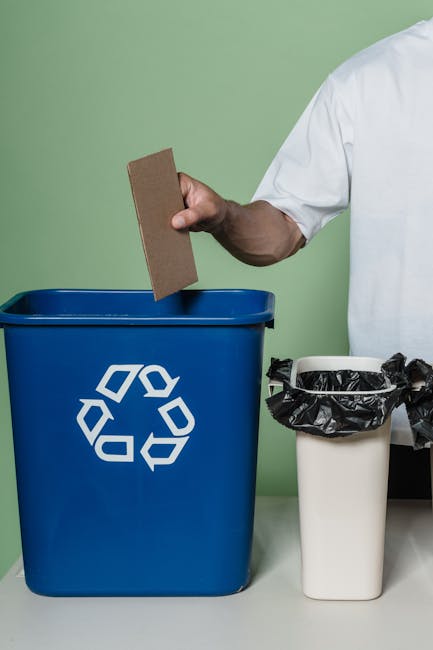
Royal Greenwich Council rules for cleaners waste disposal: a practical guide for local cleaners and property teams
If you clean homes, offices, rental properties, or commercial spaces in Greenwich, waste is never just "something to bin later". The Royal Greenwich Council rules for cleaners waste disposal affect how you sort rubbish, move it, store it, and hand it over for collection. Get it wrong, and you can end up with missed collections, complaints from clients, avoidable contamination, or a very awkward conversation with a site manager. Get it right, and the job runs cleaner, faster, and with far less hassle.
This guide breaks the topic down in plain English. It explains what the rules usually mean in practice, why they matter, the common mistakes cleaners make, and how to build a simple waste routine that works on real jobs - not just on paper. If you manage multiple properties or run a cleaning team, you will find the practical side especially useful. A lot of this is common sense, to be fair, but the detail matters.
For readers comparing wider service standards, our recycling and sustainability approach and health and safety policy can also help you see how waste handling fits into day-to-day operations.
Table of Contents
- Why Royal Greenwich Council rules for cleaners waste disposal Matters
- How Royal Greenwich Council rules for cleaners waste disposal Works
- Key Benefits and Practical Advantages
- Who This Is For and When It Makes Sense
- Step-by-Step Guidance
- Expert Tips for Better Results
- Common Mistakes to Avoid
- Tools, Resources and Recommendations
- Law, Compliance, Standards, or Best Practice
- Options, Methods, or Comparison Table
- Case Study or Real-World Example
- Practical Checklist
- Conclusion
- Frequently Asked Questions
Why Royal Greenwich Council rules for cleaners waste disposal Matters
Waste handling looks simple until you are standing in a hallway with a full sack, a half-used spray bottle, broken packaging, and a client asking where everything should go. In Greenwich, as in the rest of London, the practical expectations around waste are shaped by local collection rules, building rules, landlord instructions, and wider UK waste duty-of-care principles. That means cleaners are often working inside a small web of responsibilities.
The main reason it matters is accountability. If waste is mixed incorrectly, left in the wrong place, or placed out at the wrong time, it can cause problems for the property owner, the tenant, the building manager, and the cleaner. And yes, the cleaner often gets the blame first, even when the instructions were never clear in the first place. That is one reason a proper waste routine is worth its weight in gold.
There is also the practical side. Cleaners deal with all sorts of waste streams: general rubbish, food waste, cardboard, glass, cleaning packaging, sanitary items, and sometimes bulky items from clearance jobs. Each type needs a sensible handling process. Not every bag can be treated the same way. That is where many small jobs become unexpectedly messy.
In everyday terms, the rules help you answer four questions quickly: what can go where, what should never be mixed, when should waste be put out, and who is responsible if something goes wrong. Simple on the surface. Less simple in a real building on a wet Thursday evening when the refuse area is already full.
Expert summary: the safest approach is to treat waste as part of the cleaning plan, not as an afterthought. If the disposal route is clear before the job starts, everything else tends to run more smoothly.
How Royal Greenwich Council rules for cleaners waste disposal Works
The rules work in practice through a combination of local collection arrangements and the property's own waste procedures. Cleaners usually need to follow the instructions for the building rather than improvising. That might mean using separate bins, placing bags in a designated waste store, flattening cardboard, or leaving certain items for specialist removal.
For most routine cleaning jobs, the process is straightforward:
- Identify the waste type before you start bagging anything.
- Check whether the property has separate bins or an on-site waste store.
- Keep recyclable and non-recyclable items apart where possible.
- Do not overload bags, especially with wet waste or sharp objects.
- Place bags only where the property or local collection setup allows.
- Report unusual waste rather than guessing.
That last point matters more than people think. If you find paint tins, chemical containers, confidential papers, batteries, needles, or broken electrical items, you should not simply toss them into the nearest bin. Those items can require separate handling. In a residential block, for example, the concierge or managing agent may want a specific route for them. In an office, there may be a locked collection point or a waste contractor arrangement that cleaners are not meant to interfere with.
It also helps to distinguish between household-style waste from everyday cleaning and trade or job-specific waste created by the service itself. Some waste is the client's responsibility, some is operational waste from the cleaner, and some sits in a grey area. That grey area is where communication saves time. A quick note in the quote, job sheet, or handover can prevent a lot of back-and-forth later on.
If your work includes more intensive cleaning, such as post-renovation jobs, our after builders cleaning service page is useful for seeing how heavier debris and dust are handled in a cleaner, more structured way.
Key Benefits and Practical Advantages
Following the right waste routine is not just about avoiding trouble. It brings real day-to-day benefits, especially for cleaners who work across multiple sites or properties in SE10 and nearby areas.
- Fewer collection issues: Sorted waste is easier to place, easier to move, and less likely to be rejected or left behind.
- Better client confidence: A tidy, well-managed waste process makes the whole service feel more professional.
- Lower contamination risk: Recyclables stay cleaner when food waste, liquids, and general rubbish are kept separate.
- Less time wasted: Clear routines reduce second trips, confusion, and time spent hunting for the right bin store.
- Safer working conditions: Proper disposal cuts the chances of cuts, spills, odours, and contact with unhygienic waste.
- Stronger compliance posture: Good habits support broader legal and contractual responsibilities around waste handling.
There is also a quieter benefit that often gets overlooked: peace of mind. When a cleaner knows exactly what to do with a bag of mixed rubbish or a half-full bottle of product, the job feels calmer. Less guesswork. Less stress. And frankly, fewer scrambles at the end of a long shift.
For business owners, this can help protect reputation too. A missed bin collection or badly handled waste store creates a visible problem. People notice. And once they notice, they remember.
Who This Is For and When It Makes Sense
This topic is relevant to a surprisingly wide group of people. You might think it is only for specialist waste contractors, but that is not really how it works on the ground.
It matters if you are:
- a domestic cleaner working in Greenwich flats, houses, or shared homes
- an office cleaner responsible for desk waste, kitchen waste, and packaging
- a property manager or landlord arranging cleaning between tenancies
- a cleaner working after refurbishment, decorating, or building work
- a small cleaning company setting house rules for staff
- a facilities coordinator trying to reduce complaints and contamination
It makes sense any time waste leaves the immediate cleaning area and enters the property's disposal system. That sounds obvious, but the moment a cleaner starts moving waste through communal hallways, lift areas, or side access points, the responsibility shifts from "tidying up" to "handling waste properly". Different job, different standard.
For offices, the rules tend to be a bit more structured because access, recycling points, and collection schedules are often fixed. See our office cleaning and office cleaners pages if you want to understand how cleaning routines are usually organised around business premises.
For end-of-tenancy work, waste often becomes a separate conversation altogether. The property may contain abandoned items, food waste, mixed bags, or leftover household goods. That is where a sensible handover process really pays off. Nobody wants to discover the old fridge has been left in the wrong area the morning before check-out. Not ideal.
Step-by-Step Guidance
Here is a practical workflow you can use or adapt. It is simple, but it covers the points that matter most.
1. Inspect the waste before you bag it
Do a quick visual check. Is it dry waste, food waste, packaging, glass, sharps, cleaning chemical residue, or something bulky? This first look saves you from mixing items that should stay apart.
2. Check the site rules
Ask where waste should be placed, what bins are available, and whether any materials need separate handling. In a managed building, the resident guide or site instructions usually matter more than guesswork.
3. Separate by type where possible
If the property provides separate bins, use them. Cardboard should not be stuffed into a general bin if there is a recycling point available. Likewise, food-contaminated packaging usually belongs in general waste unless the site has a specific system for it.
4. Bag safely and sensibly
Keep bags manageable. Heavy or sharp waste can split, spill, or injure staff. Tie bags securely and avoid overfilling. That sounds basic, but on a busy job it is easy to forget.
5. Move waste through the building carefully
Use the agreed route. Keep communal areas clean. If something leaks or drops, deal with it immediately rather than leaving a trail for someone else to find later. Small messes have a habit of becoming bigger complaints.
6. Place waste in the correct location
Use the designated bin store, chute, collection point, or temporary holding area. Do not leave bags in fire exits, plant rooms, corridors, or random corners. That is where "just for a minute" turns into a problem.
7. Escalate unusual waste
Broken glass, batteries, electrical items, chemical containers, bodily waste, and bulky items should be reported or handled according to the site procedure. If no procedure exists, stop and ask. Better that than a messy assumption.
8. Record anything unusual
If you are managing teams, note what was found and how it was disposed of. A simple job note can protect everyone if a question comes up later.
One useful habit: do the waste check before the final floor finish. It is easier to carry bags out before the area looks completely polished than after you have just made it sparkle. Saves rework, every time.
Expert Tips for Better Results
After enough cleaning jobs, certain patterns become obvious. The jobs that run smoothly usually have a few things in common: clear instructions, sensible materials, and a waste plan that does not depend on memory alone.
Keep a "waste cue sheet" for repeat sites. For regular clients, a one-page note can list bin locations, collection days, and any site quirks. For example, the side gate may only be open at certain times, or the bin store may be around the back via a narrow path that floods in heavy rain. Useful detail, that.
Separate wet and dry waste early. Once food waste leaks into paper or cardboard, recycling becomes much harder. A dry bag stays cleaner, smells less, and is easier to move.
Carry spare liners and gloves. A sudden split bag is far less disruptive if you can replace it immediately. This is one of those small preparation habits that pays off all week.
Do not assume the same rules apply at every property. Two buildings in the same street can have very different waste procedures. One may use shared bins; another may have a private waste store and strict sorting instructions. The postcode may be the same, but the process often is not.
Protect shared spaces as if a landlord were watching. Because, truth be told, someone probably is. Clean lift floors, sweep up crumbs, wipe spill marks, and avoid dragging bags across clean surfaces.
Build a "stop and ask" culture. If a cleaner is unsure whether something belongs in general waste, it is better to ask than to make a messy decision and hope nobody notices. They usually notice.
Common Mistakes to Avoid
Most waste problems are not dramatic. They are small oversights that create big annoyance later. Here are the ones that crop up again and again.
- Mixing recycling with general waste: This is one of the fastest ways to make the whole bag unrecoverable for proper sorting.
- Leaving waste in the wrong place: Corridors, entrances, and fire exits are never acceptable storage spots.
- Ignoring liquid residue: Leaky cleaning bottles or food waste can damage flooring and create odour problems.
- Overfilling bags: Heavy bags split, and split bags create a second job nobody asked for.
- Assuming all waste is the same: Batteries, sharps, chemicals, and electrical items need extra care.
- Not checking site-specific instructions: A building's own rules may be stricter than the default habit of the cleaner.
- Forgetting the client handover: If waste is left behind by a tenant or previous occupant, note it clearly instead of silently absorbing the issue into the cleaning job.
One more subtle mistake: people sometimes clean around waste rather than dealing with it directly. That works for about five minutes. Then the bag gets in the way, the floor gets missed, and everyone's annoyed. Best to sort the waste first, properly.
Tools, Resources and Recommendations
You do not need a complicated system to manage waste well. In most cases, a few practical tools make the difference between an organised routine and a chaotic one.
| Tool or resource | Why it helps | Best for |
|---|---|---|
| Heavy-duty bin liners | Reduce splits and leaks during transport | Regular cleaning jobs with mixed waste |
| Colour-coded bags or labels | Makes sorting easier for teams and repeat sites | Offices, HMOs, managed blocks |
| Disposable gloves | Basic hygiene and safer handling | Any job with direct waste contact |
| Small absorbent cloths | Helps deal with drips and spills quickly | Food waste, bathrooms, and kitchens |
| Job notes or site sheets | Records local waste rules and collection arrangements | Repeat clients and larger sites |
| Clear client communication | Prevents confusion about responsibility | End-of-tenancy and managed properties |
For businesses that want a more joined-up approach, it also helps to align waste handling with broader service policies. Our pricing and quotes page is useful if you need to explain what is included in a clean and what falls outside the standard visit. That can be especially important when waste removal is more involved than usual.
If you are checking trust and service standards too, the pages on insurance and safety and terms and conditions can help you set expectations clearly. Not glamorous reading, granted, but very useful.
Law, Compliance, Standards, or Best Practice
Waste disposal sits within a broader duty of care framework in the UK. In plain terms, that means waste should be managed responsibly, handled safely, and passed on in a way that does not create harm or nuisance. For cleaners, the exact duties depend on the type of waste, who owns it, where it is stored, and what the property rules require.
It is important to be careful here: local arrangements can vary, and not every situation is covered by one simple rule. A domestic clean in a private flat is not the same as a commercial contract in a managed office building, and a clearance-style job may need extra steps. If waste is hazardous, sharp, clinical, electrical, or contaminated in a serious way, it should be treated with special caution and, where needed, escalated to the appropriate responsible party.
Best practice usually includes the following:
- clear separation of waste streams where practical
- safe containment of liquids and sharps
- no obstruction of fire routes or communal access areas
- prompt reporting of unusual or dangerous items
- good communication between cleaner, client, and site contact
- safe manual handling to reduce strain and spills
It is also sensible to keep your own service procedures up to date. That might mean staff training, simple written instructions, and a check that cleaners know how to respond when they find waste that does not fit the normal routine. Small teams often rely on memory; larger teams need something more stable. Memory is fine until Monday morning, and then it gets a bit unreliable.
For broader operational standards, our about us page gives a clearer picture of how a professional cleaning company should think about service quality, communication, and responsibility. Waste handling sits right inside that picture.
Options, Methods, or Comparison Table
Different waste-handling methods suit different jobs. Here is a simple comparison to help you choose the most sensible approach for the site in front of you.
| Method | Best use case | Pros | Watch-outs |
|---|---|---|---|
| Basic general waste disposal | Light domestic or routine office cleaning | Fast, simple, low admin | Easy to contaminate recycling if you rush |
| Separated recycling and general waste | Managed buildings and organised office sites | Cleaner presentation, better sorting | Needs clear instructions and bin access |
| Bag-and-hold system | Sites with timed collection windows | Useful where bins are only available at certain times | Needs secure storage and clear handover |
| Special item escalation | Hazardous, sharp, or unusual waste | Safer and more controlled | Slower, but that is the point |
| Client-managed removal | Bulky items or unclear ownership | Protects the cleaner from taking on the wrong task | Requires early communication |
In practice, most jobs use a mix of these methods. A flat clearance might need general bags, recycling separation, and special escalation for a few awkward items. An office clean may only need two waste streams and a good bin route. The trick is matching the method to the real site, not the idealised version in your head.
Case Study or Real-World Example
Here is a typical local scenario. A cleaner arrives at a Greenwich flat after a tenant move-out. There are kitchen bags, flattened cardboard, a couple of cleaning product bottles, and a small amount of broken household rubbish left behind in the utility area. The client wants the flat ready for final inspection by lunchtime.
If the cleaner simply grabs everything and dumps it in the nearest bin, three things can happen: the recycling gets contaminated, the bin store becomes untidy, and the client later asks why the waste was not separated. None of that is catastrophic. But it creates friction, and friction is expensive in time.
Now compare that with a more disciplined approach. The cleaner separates cardboard, keeps wet waste in secure liners, checks whether the bottles are empty and safe to dispose of, and asks the client about the broken item that looks slightly questionable. The job takes a few extra minutes. But the finish is cleaner, the waste area stays tidy, and the handover is much calmer.
That is the real lesson: good waste handling rarely looks dramatic. It just makes everything else easier. You notice it most when it goes wrong, which is a bit annoying, but there we are.
Practical Checklist
Use this checklist before you finish a job or hand a site back.
- Have I identified the waste type correctly?
- Have I separated recycling from general waste where possible?
- Are the bags sealed and not overfilled?
- Have I checked the site's bin location or collection route?
- Have I avoided leaving waste in communal or fire-access areas?
- Did I flag any unusual items that need special handling?
- Have I cleaned up any leaks, crumbs, or residue around the waste area?
- Is the client or site contact aware of anything unresolved?
- Have I recorded anything that might matter later?
If you can tick every line without hesitation, you are probably in good shape. If not, take a minute and sort it now. That minute is usually well spent.
Conclusion
Royal Greenwich Council rules for cleaners waste disposal are not just about where a bag ends up. They are about safe handling, clear responsibility, and a cleaner, more reliable way of working. When waste is managed properly, the whole service feels more professional. Fewer mistakes. Fewer complaints. Less stress at the end of the job.
The best approach is simple: know the site rules, sort waste sensibly, keep hazards separate, and communicate clearly when something unusual turns up. That is the practical core of it. Not glamorous, perhaps, but very effective.
If you are reviewing your cleaning process, start with the waste routine. It is one of the easiest places to improve service quality without making the job complicated.
Get a free quote today and see how much you can save.
And if you are tightening up operations across Greenwich, a calm, well-planned waste process is one of those small improvements that quietly makes everything else better.
Frequently Asked Questions
What do Royal Greenwich Council rules for cleaners waste disposal mean in practice?
They usually mean following the property's waste arrangements, separating waste where possible, using the correct bin or collection point, and avoiding anything that could cause contamination, obstruction, or safety issues. The exact setup can vary from site to site.
Can cleaners put all rubbish in one bag?
Sometimes, for very small and routine jobs, mixed waste may be unavoidable. But best practice is to separate recyclables, general waste, and any unusual items wherever the site allows it. One mixed bag may seem quicker, but it often creates more problems later.
Who is responsible for waste disposal during a cleaning job?
That depends on the contract and the property arrangement. In many cases, the client or site manager controls the waste system, while the cleaner is responsible for handling waste safely and placing it in the correct location. Clear instructions matter more than assumptions.
What should cleaners do with broken glass or sharp items?
They should handle sharp items carefully, use appropriate protection, and follow the site's special disposal process if one exists. If there is no clear process, the item should be reported rather than thrown into general waste without thought.
Do cleaning companies need special procedures for waste?
Yes, sensible procedures are a good idea. Even small teams benefit from a basic waste checklist, staff guidance, and a clear rule for unusual materials. It keeps standards consistent and helps avoid confusion between jobs.
Is recycling expected on every Greenwich cleaning job?
Not always in the same way. Some buildings have strong recycling systems, while others do not. If separate bins are available, using them is usually the sensible choice. If they are not available, follow the property's guidance and avoid guessing.
What counts as unusual waste for cleaners?
Examples include batteries, electrical items, chemicals, needles, sanitary waste, paint tins, and bulky rubbish left behind by occupants. These items often need a different handling approach than standard household waste.
Can waste disposal affect a client review or complaint?
Absolutely. A tidy clean can be undermined by a badly managed bin area or waste left in the wrong place. Clients notice what they see first, and waste problems are very visible. It is one of those small details that sticks in the mind.
How can cleaners avoid waste-related disputes with tenants or landlords?
Use clear handover notes, confirm what should be removed, and flag anything outside the normal scope before the job begins or as soon as it is discovered. A short message can prevent a lot of awkwardness later on.
What is the safest way to move waste through a building?
Use the agreed route, keep bags secure, avoid overfilling, and protect communal areas from drips or marks. If the route is unclear, ask before moving waste. It is better to pause for a minute than to create a mess in a shared hallway.
Do these waste rules differ between domestic and office cleaning?
Yes, they often do. Offices usually have more structured recycling points and formal site instructions, while domestic jobs may be more flexible but less predictable. Both need care, but the process is usually different.
What should I do if the waste area is already full?
Do not leave waste in an unsafe place just because the bin store is full. Speak to the site contact, ask for the correct fallback option, and document the issue if needed. Overflow is common enough, but it still needs a proper response.